
The truth about Crowborough’s Asylum Seekers
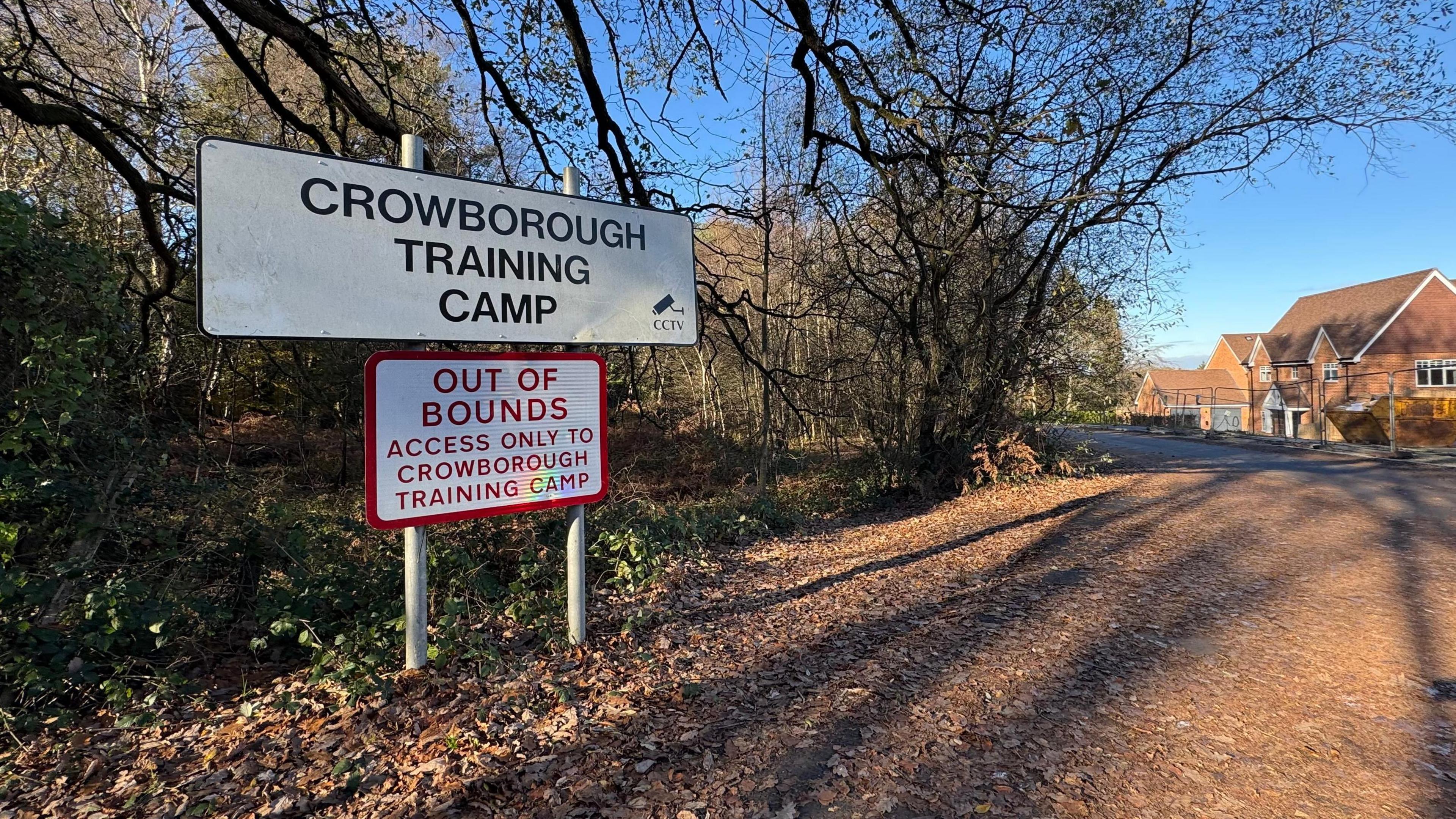
Incorrect facts and lies have been prevalent within our community ever since the news broke last year that the UK Home Office intended to house asylum seekers at Crowborough Army Camp. The rumours and falsity have literally turned this peaceful small town in East Sussex upside down. Protests that are fuelled by fear and far-right antagonism now take place every weekend on the streets of Crowborough.
Fairminded and kind local people have been genuinely scared and concerned about the arrival of 540 unknown foreign men into their society. Where will they go at night? What will they do after darkness? How will their cultures affect the way they treat our women and children? They hear dishonest narratives from both neighbours and the press, and fear the worst. Clear and rational thinking has been disrupted by the horrible, distorted stories that surround the subject of refugees and asylum seekers in the UK.
So here at SAMAS we would like to take a moment to debunk the myths that surround this issue, and the never-ending falsehoods that have created unnecessary panic for the people of Crowborough. As more people understand the real truth behind this situation, the more Crowborough residents will: sleep at night, feel less fearful, show kindness to strangers, and find normality in their lives again.
Myths & Facts
Myth: The men in the camp have all travelled here on small boats across the channel. Fact: The asylum seekers based in Crowborough Army Camp have arrived in the UK by various routes, including small boat, road and air travel.
Myth: The men in the camp are unprocessed and have arrived without documentation. Fact: Every individual resident in the army camp is processed and has undergone rigorous biometric enrollment, including fingerprinting, facial scanning, and security vetting.
Myth: The men in the camp are under no restrictions and will walk out and leave the area to cause crime elsewhere in the country. Fact: These individuals want to be processed and achieve refugee status, which is why they are here and staying at Crowborough Army Camp.
Myth: Local people will be even less likely to gain doctors' appointments because of this new pressure on our services. Fact: The Home Office provides dedicated on-site medical facilities and screening to ensure that local surgeries are not overwhelmed.
Myth: The asylum seekers receive large handouts from the state, including financial benefits and mobile phones. Fact: People seeking asylum live on Home Office support equivalent to under £9 per day, and they do not receive mobile phones
It is not illegal for anyone to claim asylum in the UK. Under international law, anyone has the right to apply for asylum in any country that has signed the 1951Convention and to remain there until the authorities have assessed their claim. The 1951 Refugee Convention guarantees everybody the right to apply for asylum. It has saved millionsof lives. No country has ever withdrawn from it.
Who & Why is eligible to claim asylum in the UK?
The facts are clear. It is not illegal to claim asylum in the UK. Contrary to the incorrect and endlessly repeated falsehood, people arriving on British soil to claim asylum are not illegal immigrants.
Unfortunately, most nationalities do not have the ability to apply for refugee status from outside of the UK.There are currently a few exceptions that can apply for resettlement from abroad on special humanitarian grounds, including people from Afghanistan, Ukraine and Hong Kong. For almost everyone else, you have to be on British soil to claim asylum in this country. Which is why, many asylum seekers arrive on our shores via questionable and dangerous routes and transportation.

However most asylum seekers are desperate and frightened people, who need to apply for refugee status, due to persecution in their own country. Under international law, the 1951 Refugee Convention, these individuals are eligible for asylum if they have a reasonable fear of imprisonment, danger or death due to:
- race
- religion
- nationality
- political views
- social & cultural differences
- sexual orientation
- gender
- gender identity
The 1951 Refugee Convention, also known as the Convention Relating to the Status of Refugees or the Geneva Convention of 28 July 1951, details the rights of individuals who are granted asylum and the subsequent responsibilities of the nations that grant them asylum.These rules include forbidding a country to return a refugee to a territory, where their life or freedom is threatened. The convention also ensures that refugees are entitled to basic human rights including housing, work and an education.